Stone Tuckpointing in Cleveland, OH
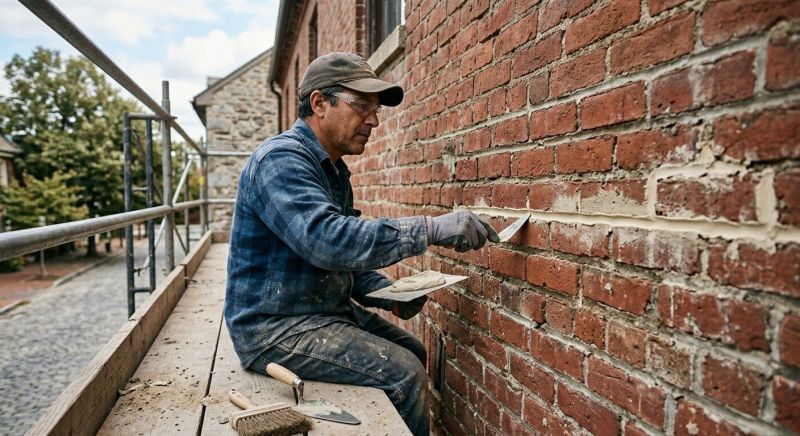
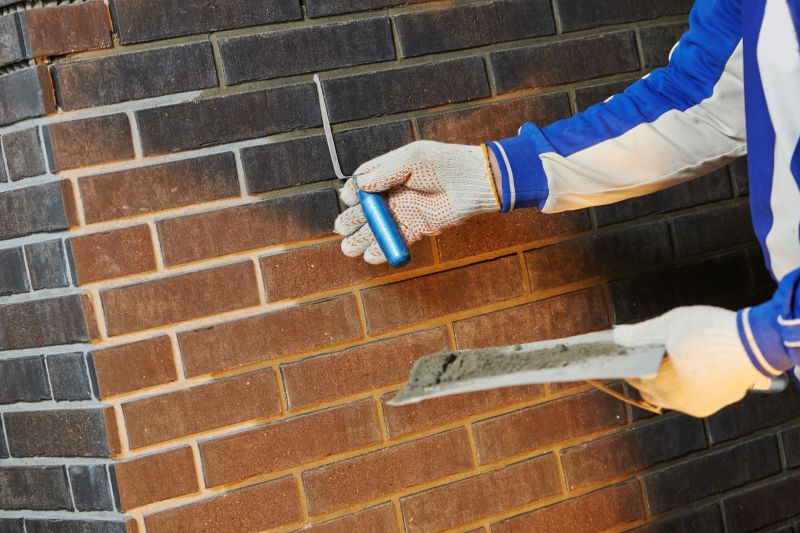
Stone tuckpointing services involve the careful removal and replacement of deteriorated mortar between stone or brickwork to restore the structural integrity and appearance of a building’s exterior. This process is commonly used on historic facades, retaining walls, chimneys, and other masonry features that require preservation or repair. Property owners typically seek tuckpointing to address issues such as crumbling mortar, cracks, or water infiltration, which can compromise the stability of the masonry over time. Before requesting tuckpointing, it’s helpful to understand the condition of the existing mortar, the type of stone or brick used, and the overall aesthetic goals for the project.
Projects often include repairing or restoring foundations, decorative walls, or building facades that have experienced weathering or damage. Homeowners may want to know about the scope of work needed, the materials that will be used, and how the process can help extend the lifespan of their masonry features. Proper tuckpointing not only improves curb appeal but also helps prevent further deterioration caused by moisture and environmental exposure. Contacting a professional can provide guidance on the best approach for maintaining the beauty and integrity of masonry surfaces.
Many property owners in Cleveland, OH look into Stone Tuckpointing for repairs, replacements, upgrades, and appearance-related improvements.
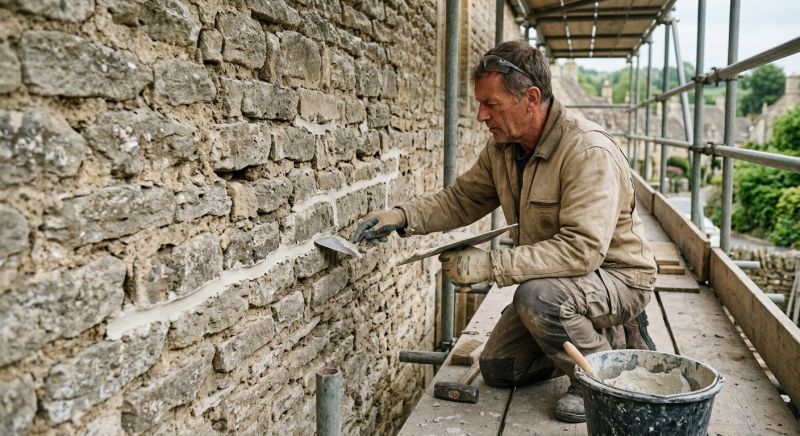
Stone Tuckpointing For Historic Masonry
Restoring the appearance and integrity of historic stonework in cleveland homes and buildings.
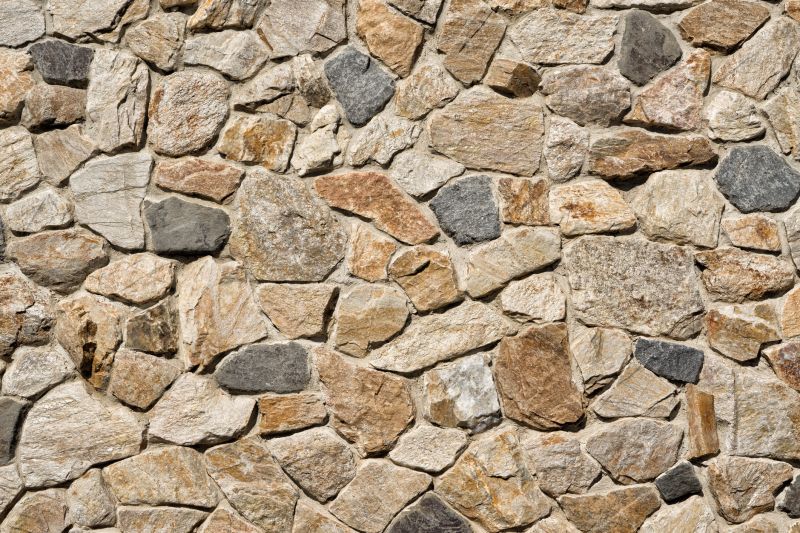
Repairing Cracks And Gaps In Stone Masonry
Sealing and stabilizing damaged mortar joints to prevent further deterioration.
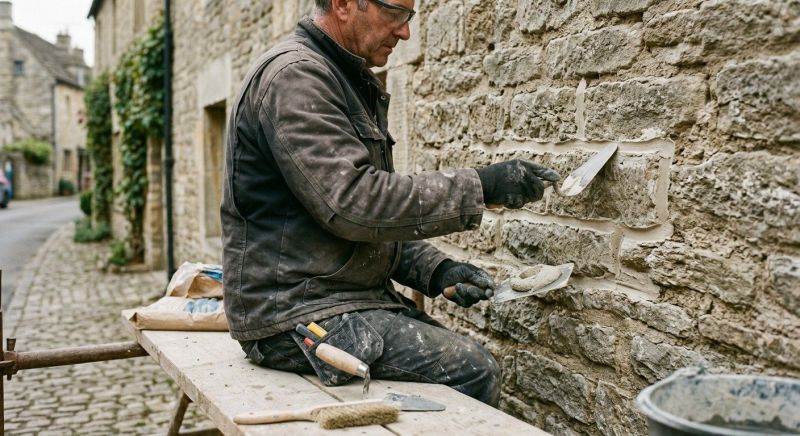
Enhancing Curb Appeal With Stone Restoration
Improving the look and durability of stone features on residential and commercial properties.
Stone Tuckpointing in Cleveland, OH
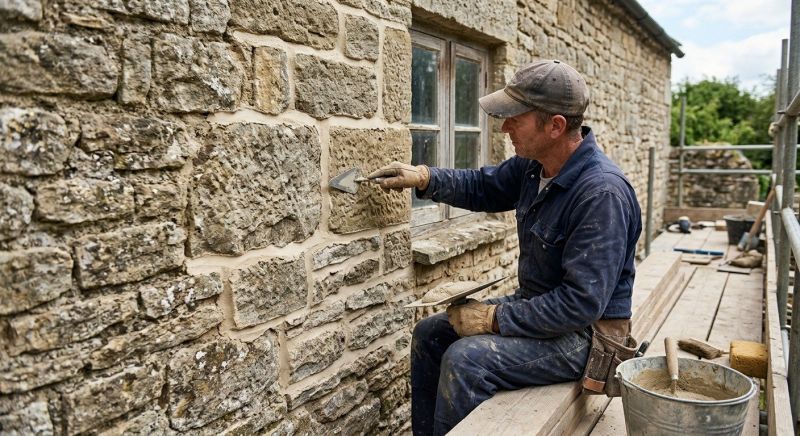
Stone tuckpointing services involve the careful removal and replacement of deteriorated mortar between stone or brickwork to restore the structural integrity and appearance of a building’s exterior. This process is commonly used on historic facades, retaining walls, chimneys, and other masonry features that require preservation or repair. Property owners typically seek tuckpointing to address issues such as crumbling mortar, cracks, or water infiltration, which can compromise the stability of the masonry over time. Before requesting tuckpointing, it’s helpful to understand the condition of the existing mortar, the type of stone or brick used, and the overall aesthetic goals for the project.
Projects often include repairing or restoring foundations, decorative walls, or building facades that have experienced weathering or damage. Homeowners may want to know about the scope of work needed, the materials that will be used, and how the process can help extend the lifespan of their masonry features. Proper tuckpointing not only improves curb appeal but also helps prevent further deterioration caused by moisture and environmental exposure. Contacting a professional can provide guidance on the best approach for maintaining the beauty and integrity of masonry surfaces.
Many property owners in Cleveland, OH look into Stone Tuckpointing for repairs, replacements, upgrades, and appearance-related improvements.
Common Stone Tuckpointing Jobs
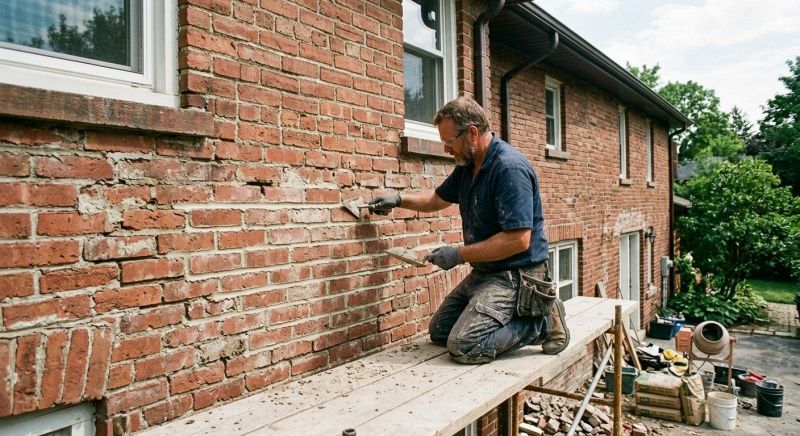
Brick and Masonry Repair - stone tuckpointing restores the integrity of brickwork and prevents further damage.
Historic Building Restoration - preserving the original appearance of historic stone and brick facades.
Chimney and Fireplace Tuckpointing - maintaining safe and functional masonry features in homes.
Foundation and Wall Repairs - addressing cracks and deterioration in exterior stone and brick structures.
Exterior Masonry Refinishing - enhancing curb appeal through clean, well-maintained stone surfaces.
Mortar Joint Repointing - replacing deteriorated mortar to improve stability and appearance.
Stone Tuckpointing Questions
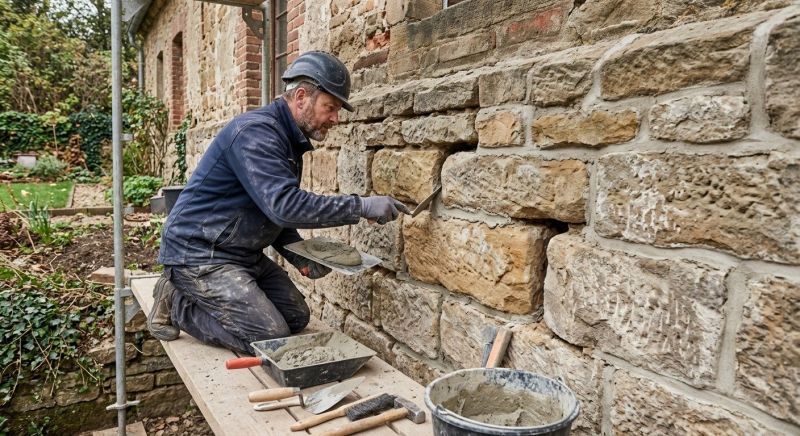
What is tuckpointing for stonework? Tuckpointing involves repairing and restoring the mortar joints between stones to improve appearance and structural stability.
When should stone tuckpointing be considered? It is recommended when mortar shows signs of cracking, crumbling, or weathering, to prevent further damage.
What types of projects typically require tuckpointing? Common projects include restoring historic facades, repairing foundation walls, and maintaining decorative stone features.
How does tuckpointing benefit a property? It enhances curb appeal, helps prevent water infiltration, and extends the lifespan of stone structures.
Request Stone Tuckpointing in Cleveland, OH
Use the quote form on this page to share the basics of your project and request more information for the type of work you need.